So, you’re ready to build your dream home, huh? You’ve got Pinterest boards overflowing with ideas, a million saved Instagram posts, and maybe even a scrapbook filled with magazine clippings. But now comes the real challenge: choosing the perfect floor plan. This decision is like the foundation of your dream (literally and figuratively), so let’s dive into how to nail it down with grace and flair.
1. Know Your Lifestyle
First things first, your floor plan needs to match your lifestyle. Are you an entertainer who loves throwing weekend parties, or are you a cozy homebody who prefers intimate family dinners? Think about how you use your space day-to-day.
- Open Concepts: Great for social butterflies who want to cook and chat with guests simultaneously.
- Closed Layouts: Perfect for those who value distinct, quiet spaces (like an office for your remote work or a playroom for the kids).
2. Future-Proofing
Imagine your life five, ten, or even twenty years down the road. Will your current needs change? Maybe you’re planning to start a family, or perhaps your parents might move in one day. Future-proofing your floor plan means considering these possibilities now.
- Flexible Spaces: Rooms that can evolve, like a nursery that can later become a study.
- Accessibility: Think about aging in place with wider doorways and fewer stairs.
3. Flow and Functionality
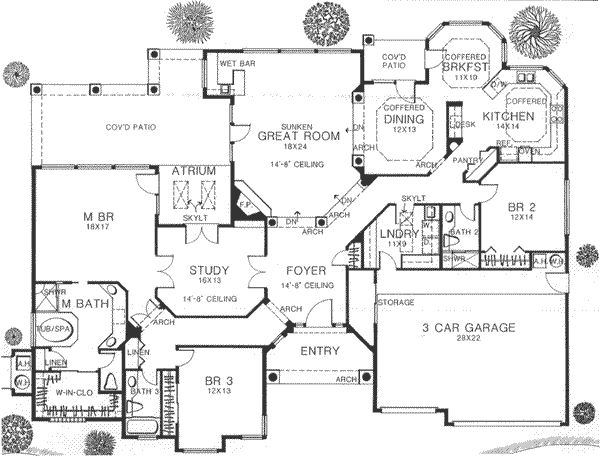
A good floor plan isn’t just about square footage; it’s about how well the space works for you. Pay attention to the flow between rooms and how functional each area is.
- Traffic Patterns: Ensure there’s a logical flow from one area to another. The last thing you want is a maze that requires you to walk through the laundry room to get to the kitchen.
- Storage: More is more. Trust me, you’ll thank yourself later for those extra closets.
4. Natural Light
This one’s a game-changer. Natural light can make even the smallest spaces feel open and airy. When looking at floor plans, consider where windows and doors are placed.
- Large Windows: Opt for designs that maximize sunlight in living areas.
- Orientation: Think about how your home will sit on the lot. Rooms facing south typically get the most light throughout the day.
5. Outdoor Connection
Whether it’s a sprawling backyard or a petite patio, your outdoor space is an extension of your home. Ensure your floor plan incorporates easy access to the outdoors.
- Patio Doors: Sliding or French doors that lead out to your backyard can create a seamless indoor-outdoor flow.
- Covered Areas: Great for those hot summer days or rainy afternoons when you still want to enjoy the fresh air.
6. Budget and Feasibility
Ah, the not-so-fun but super important part. Dream big, but keep your budget in mind. Falling in love with a floor plan that’s way out of your price range can be heartbreaking.
- Cost-Efficient Design: Sometimes, simpler is better. Elaborate layouts can increase building costs.
- DIY Projects: If you’re handy, consider what elements you might add yourself over time, like a built-in bookshelf or a custom pantry.
7. Consult the Experts
Don’t hesitate to lean on professionals. Architects, builders, and designers have the expertise to turn your vision into reality while avoiding common pitfalls.
- Professional Input: They can offer suggestions you might not have considered, ensuring your floor plan is both beautiful and practical.
- Customization: Work with them to tweak existing plans to better suit your needs.
Final Thoughts
Choosing the perfect floor plan is a bit like finding the right pair of jeans. It takes time, patience, and a few try-ons. But when you find the one that fits just right, it’s pure magic. So take a deep breath, grab a cup of coffee (or a glass of wine), and enjoy the process. After all, you’re not just building a house; you’re crafting the backdrop for countless memories to come.
Happy planning, and may your future home be everything you’ve ever dreamed of!
 Ironclad Construction